

Launching an online store requires more than just a great product; it needs a solid digital foundation. Choosing the right platform is one of the most critical decisions you'll make, directly impacting your sales, operations, and ability to scale. This guide is designed to cut through the noise and help you find the perfect fit for your specific business needs.
We've analyzed the best website builders for online stores, from all-in-one solutions perfect for beginners to powerful, customizable platforms for enterprise-level brands. Instead of just listing features, we provide a detailed breakdown of what it’s actually like to use each builder. You’ll find an honest assessment of their strengths, weaknesses, and ideal use cases.
This resource will help you compare top contenders side-by-side. For each platform, you'll see:
- Key Features: A focused look at what matters for e-commerce.
- Pricing Tiers: A clear breakdown of costs and value.
- Who It's For: Practical scenarios to see if it matches your business.
- Limitations: An honest look at potential drawbacks to consider.
Every entry includes screenshots for a visual preview and direct links to get you started. Our goal is simple: to provide a clear, practical roadmap so you can confidently select the right e-commerce platform and start building your business. Let's dive in.
1. Shopify
Shopify is a commerce-first platform designed for one primary purpose: to help you launch, run, and scale an online store. It's one of the best website builders for online stores because it simplifies the technical complexities of e-commerce, allowing you to focus on your products and customers. From a simple one-product shop to a massive enterprise brand, its infrastructure is built to handle growth.

The platform’s real power lies in its comprehensive, all-in-one ecosystem. You get an intuitive store builder, integrated payment processing with Shopify Payments, and discounted shipping rates built right in. Once your store is live, you'll need to attract customers. For those new to digital marketing, learning about creating effective ads for your Shopify store is a crucial next step to drive traffic and sales.
Shopify’s App Store, with over 8,000 apps, is a significant differentiator, letting you add virtually any functionality you can imagine.
Standout Features & Ideal Use Case
Who is it for? Shopify is ideal for serious sellers, from first-time entrepreneurs to established brands, who want a robust, scalable, and easy-to-manage e-commerce solution without needing to code.
- Integrated Ecosystem: Handles payments, shipping, marketing, and multi-channel sales (social media, marketplaces, in-person via POS) from one dashboard.
- Scalability: Plans scale from Basic for startups to Shopify Plus for high-volume, enterprise-level businesses. You won't outgrow the platform.
- App Store: The extensive app marketplace allows for deep customization, from email marketing to advanced analytics.
- Ease of Use: A clean interface makes daily operations like adding products and processing orders straightforward.
For a deeper analysis of how it stacks up against other major players, see our full e-commerce platform comparison.
Pricing: Starts at $29/month for the Basic plan.
Website: Shopify.com
2. Wix (Wix eCommerce)
Wix is a versatile, drag-and-drop website builder that has evolved into a powerful platform for e-commerce. It stands out for its design flexibility, making it one of the best website builders for online stores where visual branding is paramount. Ideal for small to midsize businesses, Wix empowers entrepreneurs to create a beautiful, custom-looking storefront without writing a single line of code.
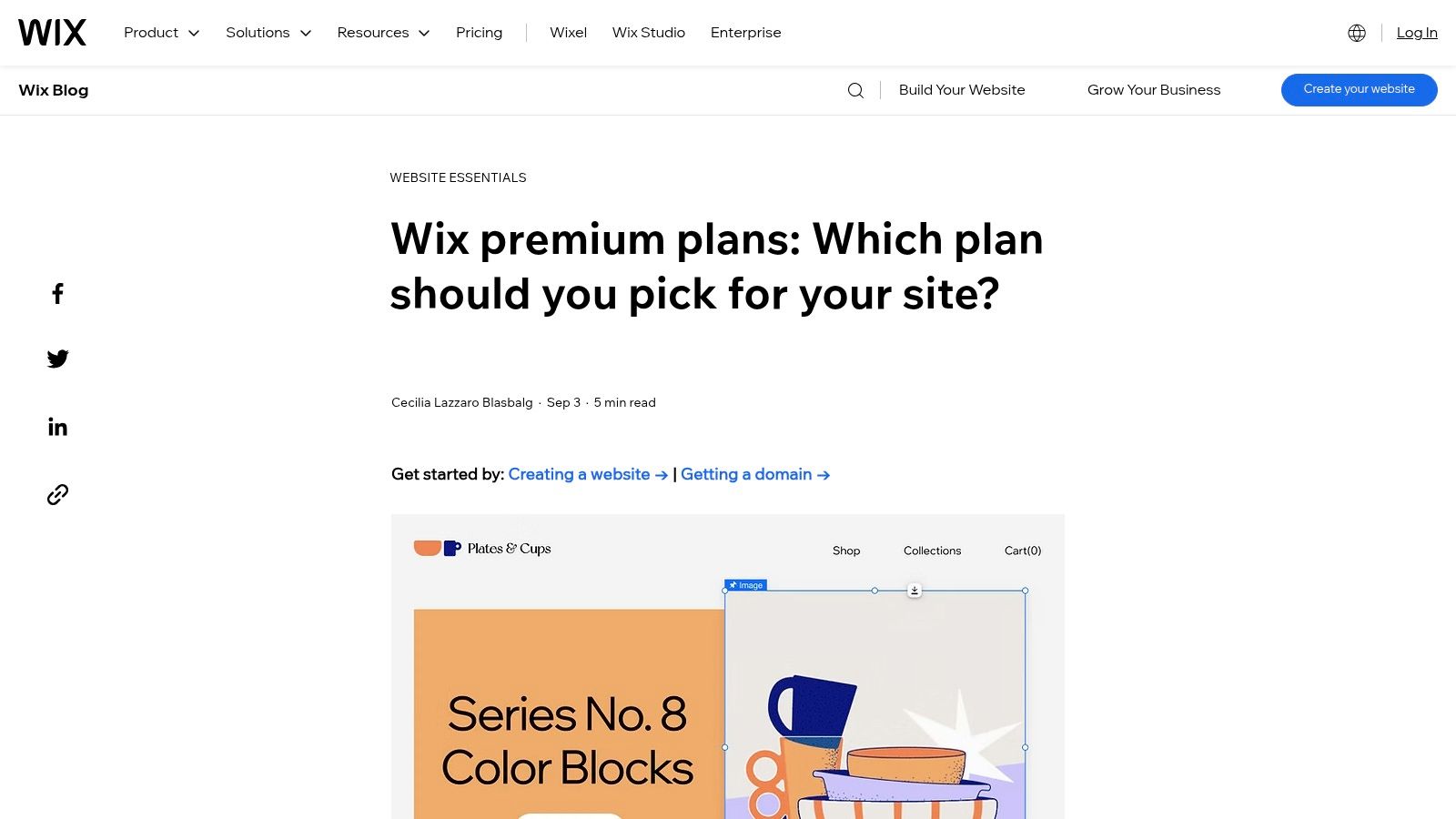
The platform offers a comprehensive suite of business tools, including native solutions for bookings, subscriptions, and events, all managed from a single dashboard. While its app market is smaller than Shopify's, it provides crucial integrations for shipping and fulfillment. To maximize your store's potential, it's vital to implement proven strategies; you can explore a guide on e-commerce best practices to ensure your setup drives results from day one.
Standout Features & Ideal Use Case
Who is it for? Wix is perfect for business owners, artists, and service providers who prioritize creative control and want an all-in-one solution that combines a stunning website with solid e-commerce functionality.
- Design Freedom: An intuitive visual editor with over 900 templates and AI site-building tools allows for deep customization.
- Built-in Business Tools: Natively supports selling products, services, subscriptions, and managing appointments without heavy reliance on third-party apps.
- All-in-One SEO & Marketing: Includes a suite of integrated tools to help you manage SEO, email marketing, and social media sales channels.
- Beginner-Friendly: The drag-and-drop interface is one of the easiest to learn, making it accessible for absolute beginners.
Pricing: E-commerce plans start at $27/month.
Website: wix.com
3. Squarespace Commerce
Squarespace is a design-forward platform that excels at helping brands create visually stunning online stores. While known for its portfolio and blogging capabilities, its integrated commerce tools make it one of the best website builders for online stores where aesthetics are paramount. It’s built for creators, artists, and small retailers who want a beautiful storefront without a steep learning curve.

The platform elegantly combines a website builder with essential e-commerce features like inventory management, digital product sales, and appointment scheduling. Everything is managed within a single, clean interface, from creating email campaigns to reviewing built-in analytics. Unlike more complex systems, Squarespace keeps the user experience simple, allowing your product presentation to take center stage. This focus on integrated, user-friendly design is its key differentiator.
Standout Features & Ideal Use Case
Who is it for? Squarespace is perfect for brands, creators, and small businesses that prioritize sophisticated design and want an all-in-one solution for selling products, services, or digital content.
- Award-Winning Templates: Start with modern, mobile-responsive designs that make your products look professional right out of the box.
- Integrated Commerce Tools: Sell physical products, digital downloads, subscriptions, and memberships directly from your site.
- Built-in Marketing Suite: Includes tools for email marketing, social media integrations, and basic analytics to help grow your audience.
- Ease of Use: A drag-and-drop editor and a unified dashboard make building and managing your store intuitive, even for beginners.
While powerful, its app ecosystem is smaller than competitors like Shopify, making it less suitable for stores requiring highly specialized third-party functionality.
Pricing: New Commerce plans rolling out in 2025 start with Basic and Core tiers. Current Business plans start at $23/month.
Website: Squarespace.com
4. BigCommerce
BigCommerce is a powerful, commerce-first platform that stands out for its extensive list of built-in features, making it one of the best website builders for online stores that need robust functionality out of the box. Unlike competitors that rely heavily on third-party apps, BigCommerce includes powerful tools for multi-currency sales, omnichannel selling, and advanced SEO from the start. This makes it an excellent choice for ambitious, fast-growing brands.
The platform’s major advantage is its open architecture and strong native capabilities. You won’t pay any extra transaction fees from BigCommerce, regardless of the payment processor you choose. It's particularly well-suited for businesses that are scaling quickly or have complex B2B requirements, offering dedicated enterprise-grade solutions. Its headless commerce options also provide developers the flexibility to build custom front-end experiences.
Standout Features & Ideal Use Case
Who is it for? BigCommerce is best for serious mid-market to large businesses, B2B companies, and fast-growing brands that want advanced features built-in and need a scalable, open platform.
- Extensive Native Features: Multi-storefront, multi-currency support, and powerful SEO tools are included, reducing reliance on costly apps.
- 0% Transaction Fees: BigCommerce does not charge its own fees on your sales, allowing you to keep more of your revenue.
- B2B Functionality: Offers a dedicated B2B Edition with features like custom price lists, quote management, and bulk pricing.
- Scalability & Headless Options: Easily scales from small businesses to large enterprises and offers powerful APIs for custom development.
Pricing: Starts at $29/month for the Standard plan. Note that plans have annual sales volume thresholds.
Website: BigCommerce.com
5. Square Online (by Square/Block)
Square Online is an e-commerce platform built for businesses that already use or are planning to use the Square ecosystem for in-person sales. It stands out as one of the best website builders for online stores when your primary goal is to unify physical and digital operations seamlessly. It's designed for restaurants, retailers, and service providers who need an easy way to take their business online without managing separate systems.
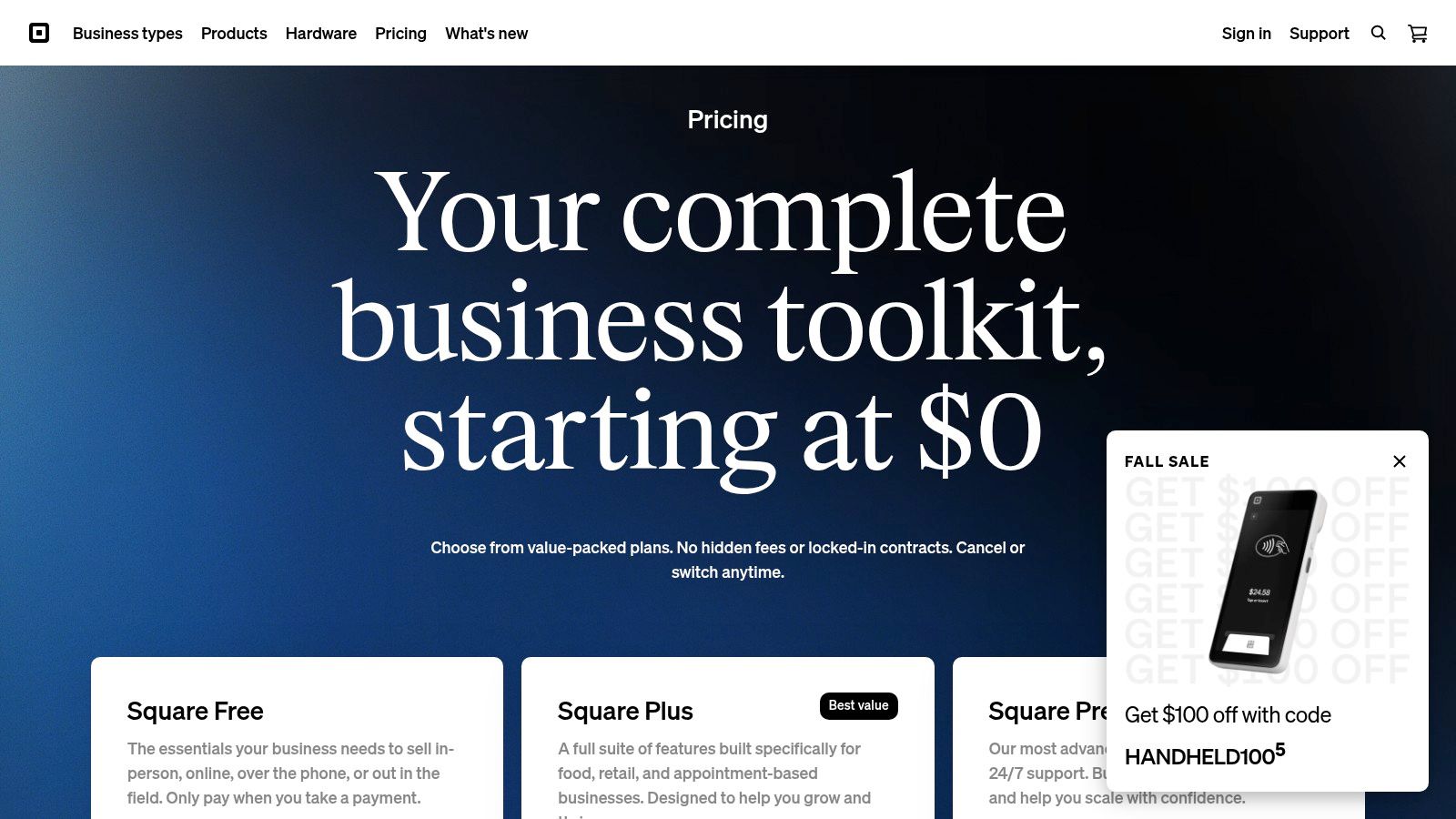
The platform’s greatest strength is its native integration with Square POS. Your product catalog, inventory, orders, and customer data sync automatically between your online store and your physical point-of-sale. This creates a single source of truth, eliminating the manual work of reconciling sales data from different channels. It also includes built-in tools for local pickup, delivery, and invoicing, making it a complete solution for local commerce.
Standout Features & Ideal Use Case
Who is it for? Square Online is perfect for existing Square users, such as cafes, local shops, and service-based businesses, who want a quick, free, and fully integrated way to start selling online.
- Seamless POS Integration: Automatically syncs inventory, sales, and customer data between your online store and Square POS hardware.
- Free to Start: Offers a robust free plan that lets you build a full-featured online store, only paying for transaction fees.
- Built for Local Commerce: Features like online ordering for in-store pickup, local delivery, and appointment booking are core to the platform.
- Integrated Financial Tools: Connects directly with the broader Square ecosystem, including business checking, savings, and loans.
Pricing: Starts with a Free plan (2.9% + 30¢ per transaction). Paid plans with more features start at $29/month.
Website: https://squareup.com/pricing?utm_source=openai
6. WooCommerce (WordPress plugin)
Unlike all-in-one platforms, WooCommerce is a free, open-source eCommerce plugin built exclusively for WordPress. This makes it one of the best website builders for online stores for those who prioritize control and ownership. Instead of renting a store, you build it on your own hosting, giving you complete freedom over your data, design, and functionality.
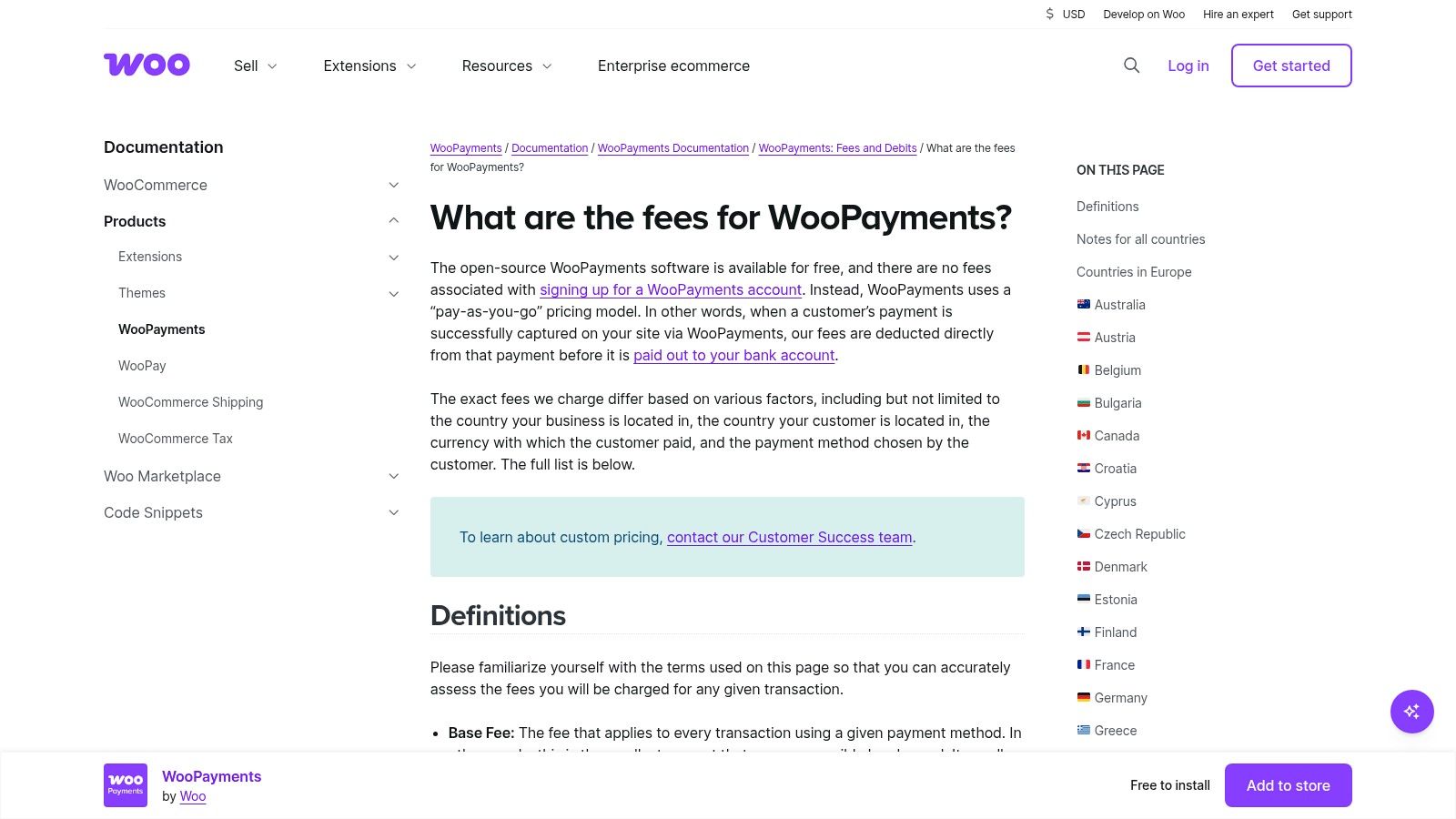
Its power lies in its limitless customization through thousands of themes and extensions. When you're setting up, selecting the right payment processor is crucial; you can explore the various payment gateway options for WordPress and WooCommerce to find the best fit. While the core plugin is free, you are responsible for hosting, security, and updates, which requires a more hands-on approach. The initial setup is straightforward for those familiar with WordPress; for a refresher, see our guide on how to install plugins.
Standout Features & Ideal Use Case
Who is it for? WooCommerce is perfect for WordPress users, developers, and entrepreneurs who want full control over their store's data, functionality, and costs. It's ideal for those comfortable managing their own hosting and technical maintenance.
- Maximum Flexibility: As an open-source plugin, you can modify anything, from the code to the customer experience, without platform limitations.
- Total Data Ownership: Your customer and store data are yours. You host it where you want, with no platform having access.
- Vast Ecosystem: Access thousands of free and premium themes and extensions for subscriptions, bookings, and more.
- Cost-Effective Foundation: The core software is free. Costs come from hosting, premium extensions, and development, allowing you to control your budget.
Pricing: The plugin is free. Costs depend on hosting, themes, and premium extensions.
Website: woocommerce.com
7. WordPress.com Commerce (hosted WordPress with WooCommerce)
WordPress.com Commerce offers a simplified path to launching a powerful online store using the world's most popular CMS. It combines the flexibility of WordPress and the e-commerce functionality of WooCommerce into a fully hosted, managed solution. This makes it one of the best website builders for online stores for those who want the power of WordPress without the technical burdens of self-hosting, such as managing security and updates.
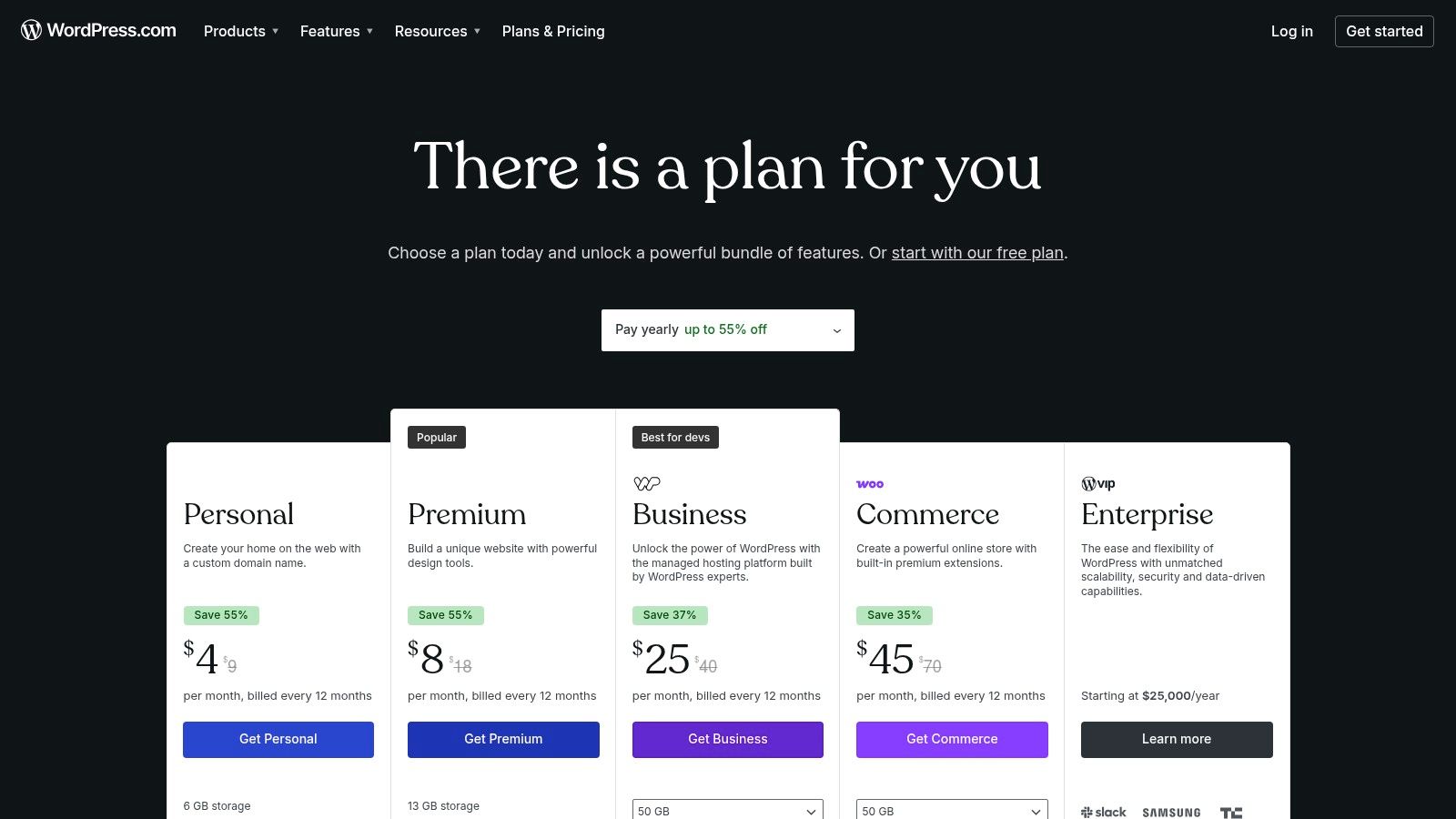
The platform is designed to get you started quickly. It handles the server setup, security patches, and automatic updates for you, letting you focus on customizing your store and selling products. With built-in AI site tools and integrated support, it provides a guided experience that bridges the gap between easy-to-use builders and the vast, open-source WordPress ecosystem. You gain access to thousands of themes and plugins to extend your store's functionality, from advanced shipping calculators to subscription-based services.
Standout Features & Ideal Use Case
Who is it for? It's perfect for entrepreneurs and small businesses who want the customization potential of WooCommerce but prefer a hands-off, managed hosting environment with dedicated support.
- Managed WordPress Hosting: Security, performance, and updates are handled for you, removing a significant technical hurdle.
- WooCommerce Integration: Comes with the leading e-commerce plugin for WordPress pre-installed and optimized for the platform.
- Full Plugin & Theme Access: Unlocks the entire WordPress ecosystem, offering limitless customization possibilities beyond standard templates.
- Integrated Support: Provides a single point of contact for hosting, WordPress, and WooCommerce-related questions, unlike self-hosted setups.
Pricing: Commerce-enabled plans start at $45/month (billed annually).
Website: https://wordpress.com/pricing/?compare=
8. Ecwid by Lightspeed
Ecwid by Lightspeed offers a unique approach to e-commerce, acting as a powerful “store-anywhere” platform. Instead of forcing you to build an entirely new website, Ecwid allows you to add a full-featured online store to any existing site, whether it's built on WordPress, Squarespace, or a custom HTML page. This makes it one of the best website builders for online stores if you already have a website you love and just need to add selling capabilities.
The platform’s core strength is its flexibility. You can embed your storefront with a few lines of code, transforming your current site into a sales channel. For those starting from scratch, Ecwid also provides a simple, one-page "Instant Site" to get you online quickly. It also excels at multichannel selling, making it easy to list products on social media platforms like Instagram and Facebook, as well as marketplaces like Amazon and eBay, all managed from a single dashboard.
Standout Features & Ideal Use Case
Who is it for? Ecwid is perfect for small business owners who want to add e-commerce to an existing website without a complete rebuild, or for those who need a simple, low-cost way to start selling online across multiple channels.
- Embeddable Storefront: Seamlessly integrates with any website builder or custom site, preserving your existing design and branding.
- Multichannel Selling: Manage sales on your website, social media, and major marketplaces from one central hub.
- Free Forever Plan: A generous free plan allows you to start selling with up to 5 products, making it accessible for beginners.
- Mobile Management: A comprehensive mobile app lets you manage your products, orders, and customers from anywhere.
While it's incredibly versatile for adding a store, those needing deep theme customization may find dedicated builders more suitable.
Pricing: A Free plan is available. Paid plans start at $19/month.
Website: Ecwid.com
9. Adobe Commerce (formerly Magento Commerce) and Magento Open Source
Adobe Commerce is an enterprise-grade platform built for complexity and scale. Unlike drag-and-drop builders, it’s an open-source or licensed platform known for its extreme customizability, making it one of the best website builders for online stores with highly specific or complex requirements. It excels at handling large product catalogs, multi-storefront operations, and intricate B2B sales models.
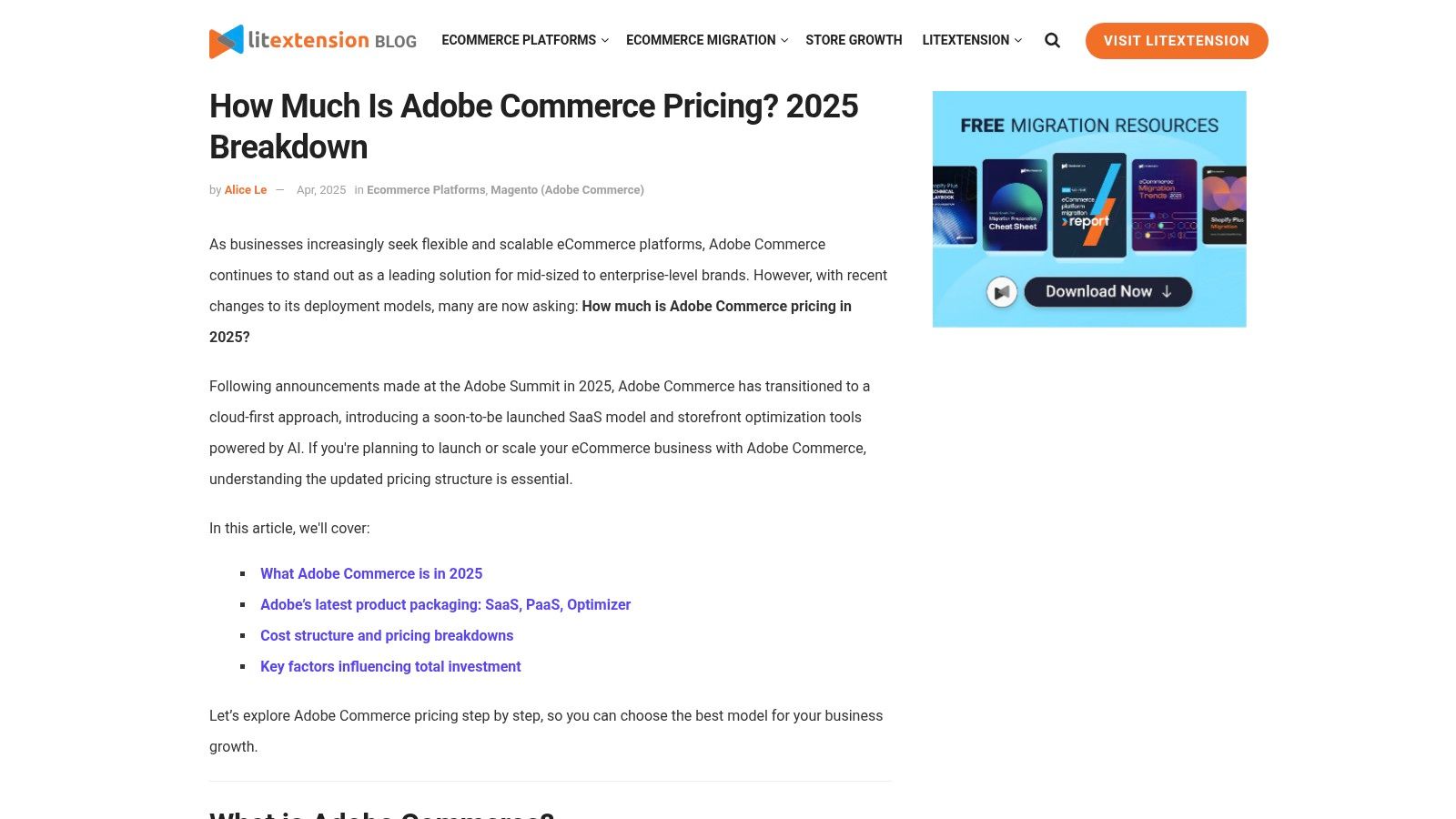
The platform’s power comes from its headless-friendly architecture and robust core features, which allow businesses to create truly unique customer experiences. Adobe Commerce also integrates deeply with the Adobe Experience Cloud, offering powerful tools like Analytics and Target. However, this power comes at the cost of simplicity; it almost always requires a team of skilled developers and significant investment to implement and maintain effectively.
Standout Features & Ideal Use Case
Who is it for? Adobe Commerce is for established, high-volume businesses, large enterprises, and B2B companies with complex needs that outgrow simpler platforms. It is not suitable for beginners or small businesses due to its cost and technical demands.
- Ultimate Extensibility: Its open-source nature (Magento Open Source) and vast extension marketplace allow for limitless customization.
- Powerful B2B Modules: Includes features like quote management, company accounts, and custom pricing catalogs out of the box.
- Multi-Store & Global Management: Manage multiple brands, storefronts, and currencies from a single back-end.
- Adobe Ecosystem Integration: Seamlessly connects with Adobe's powerful suite of marketing and analytics tools for a unified commerce experience.
Pricing: Custom pricing for Adobe Commerce (often starting in the tens of thousands annually); Magento Open Source is free to download but requires hosting and development costs.
Website: https://litextension.com/blog/adobe-commerce-pricing/?utm_source=openai
10. PrestaShop (Classic, Hosted, Enterprise)
PrestaShop is a popular open-source e-commerce platform that offers merchants exceptional flexibility. It stands out by providing a free, downloadable "Classic" edition that you can host yourself, alongside newer hosted and enterprise solutions. This dual approach makes it one of the best website builders for online stores for those who want the freedom of open-source without sacrificing the option for managed support.
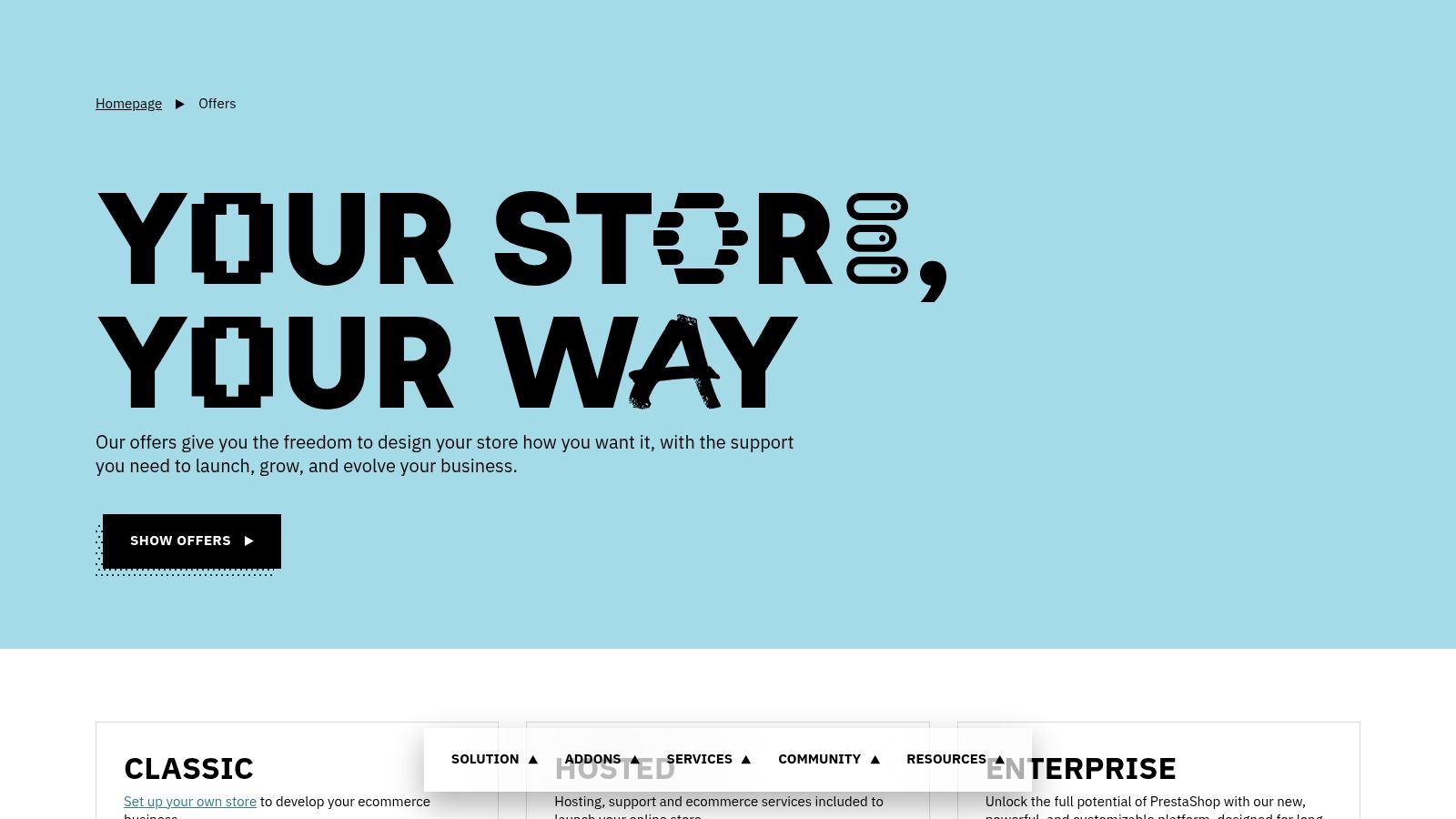
The platform is renowned for its powerful internationalization features, supporting multiple languages and currencies out of the box, making it an excellent choice for businesses aiming for a global reach. Its marketplace offers over 3,200 themes and modules, allowing for deep customization of store functionality. While the self-hosted version requires technical know-how, the new Hosted plan bundles hosting and support, providing a more accessible entry point for less technical users.
Standout Features & Ideal Use Case
Who is it for? PrestaShop is ideal for budget-conscious merchants with some technical skills who need strong international sales capabilities, as well as businesses that prefer the control of an open-source solution but might want a hosted option.
- Open-Source Flexibility: The free Classic version gives you complete control over your store's code and hosting environment.
- Strong Internationalization: Built-in support for multiple languages, currencies, and regional tax rules is a core strength.
- Extensive Marketplace: Add specific features or change your store's design with a wide selection of modules and themes.
- Hosting Choice: Choose between self-hosting for full control or a managed Hosted plan for convenience and support.
Pricing: The Classic software is free (hosting costs are separate); Hosted and Enterprise plans have custom pricing.
Website: prestashop.com
11. GoDaddy Websites + Marketing (Commerce)
GoDaddy is known primarily as a domain registrar, but its Websites + Marketing platform offers a surprisingly streamlined builder with integrated commerce tools. It's designed for small businesses that prioritize simplicity and speed. The platform aims to be an all-in-one solution, bundling a website builder, marketing tools, and domain/email services into one cohesive package.
The main draw is its ease of use and guided setup, powered by an AI assistant called Airo that helps generate initial site content. This makes it one of the best website builders for online stores if your primary goal is to get a simple, functional shop online as quickly as possible without a steep learning curve. It handles product listings, payment processing, and basic marketing from a single, clear dashboard.
Standout Features & Ideal Use Case
Who is it for? GoDaddy is best for solo entrepreneurs and small local businesses that need a simple online presence and store without the complexity of more advanced platforms. It's ideal for those who value an all-in-one provider for their domain, email, and website.
- AI-Assisted Site Creation: GoDaddy's Airo helps you get started quickly by generating a custom website draft based on your industry and needs.
- Built-in Marketing & SEO: The platform includes tools for email marketing, social media posting, and basic SEO to help you attract your first customers.
- All-in-One Simplicity: Manage your domain, business email, and online store from one account with unified, 24/7 customer support.
- Very Easy Onboarding: The guided process makes it one of the fastest ways to launch a functional e-commerce site from scratch.
Pricing: Commerce plan starts with competitive introductory pricing, often around $16.99/month.
Website: godaddy.com/website-builder
12. G2: E‑Commerce Platforms category (comparison marketplace)
Unlike the builders themselves, G2 is a software marketplace that provides a crucial service: helping you choose the right platform. It aggregates verified user reviews and data, making it an invaluable research hub when searching for the best website builders for online stores. Instead of relying solely on marketing copy, you can see how real users rate different e-commerce platforms on features, ease of use, and customer support.
The platform’s strength lies in its Grid Reports, which visually map out market leaders and contenders based on user satisfaction and market presence. This allows you to quickly shortlist top-tier options and compare them side-by-side. You can filter by company size, specific features, and star ratings to narrow your search to the most relevant solutions for your business needs. While G2 doesn't sell the software, it links directly to vendor sites where you can start a trial or purchase.
Standout Features & Ideal Use Case
Who is it for? Entrepreneurs and businesses in the research phase who want to make an informed decision by comparing multiple e-commerce platforms based on peer feedback and detailed data.
- Verified User Reviews: Access authentic, up-to-date feedback from real users, providing insights that vendor websites often miss.
- Grid Reports: See a visual breakdown of the competitive landscape, helping you quickly identify industry leaders and high-performers.
- Side-by-Side Comparisons: Directly compare features, pricing, and user ratings for your top choices in one organized view.
- Advanced Filtering: Narrow down the vast market by criteria like business size, required features, and user satisfaction scores to find the perfect fit.
Pricing: Free to use for research.
Website: g2.com/best-software-companies/top-commerce
Top 12 Online Store Builders Comparison
| Platform | Core Features/Capabilities | User Experience & Quality | Value & Pricing | Target Audience | Unique Selling Points |
|---|---|---|---|---|---|
| Shopify | Full store builder, POS, 8,000+ apps | ★★★★☆ Easy, scalable | 💰 Variable; fees outside Shopify Pay | 👥 Sellers scaling fast | 🏆 Extensive app ecosystem, fast launch |
| Wix (Wix eCommerce) | Drag-drop editor, 900+ templates, SEO tools | ★★★★☆ Beginner-friendly, flexible | 💰 Transparent tiered plans | 👥 Small to mid-size stores | ✨ AI site-building, rich design options |
| Squarespace Commerce | Design-forward templates, analytics, email marketing | ★★★★☆ Elegant, easy to maintain | 💰 Tiered with integrated commerce | 👥 Creators, brands, small biz | 🏆 Strong aesthetics with commerce |
| BigCommerce | Multi-store, B2B, 0% payment fees | ★★★★☆ Feature-rich, scalable | 💰 Pricing rises with sales | 👥 Growing mid-market brands | ✨ Built-in B2B, no extra payment fees |
| Square Online (Square/Block) | POS integration, free plan, hardware tools | ★★★☆☆ Fast for Square users | 💰 Free plan, flat processing | 👥 Local retailers, restaurants | 🏆 Seamless Square ecosystem |
| WooCommerce (WordPress plugin) | Open-source plugin, many extensions | ★★★★☆ Flexible, requires own hosting | 💰 Free core; add-ons can add costs | 👥 Developers, custom stores | ✨ Maximum control, large ecosystem |
| WordPress.com Commerce | Managed WooCommerce hosting, auto updates | ★★★★☆ Managed, faster start | 💰 Plans vary; managed hosting fees | 👥 Users wanting easy WooCommerce | 🏆 Hosted WordPress with Woo support |
| Ecwid by Lightspeed | Embeddable store, no transaction fees | ★★★☆☆ Easy bolt-on to existing sites | 💰 Free plan; paid tiers for features | 👥 Small catalogs, multichannel | ✨ Store-anywhere embed, no fees |
| Adobe Commerce (Magento) | Highly extensible, B2B modules, headless | ★★★★☆ Enterprise-grade, complex | 💰 High total cost, skilled devs | 👥 Enterprise, complex catalogs | 🏆 Powerful, global-scale customization |
| PrestaShop | Open-source + hosted options, multi-language | ★★★☆☆ Flexible but requires upkeep | 💰 Free Classic; hosted pricey | 👥 Intl merchants, open-source | ✨ Strong internationalization |
| GoDaddy Websites + Marketing | AI site creation, marketing, domains | ★★★☆☆ Easy onboarding, solid support | 💰 Intro pricing; renewal higher | 👥 Small businesses | ✨ All-in-one setup, 24/7 support |
| G2 E-Commerce Platforms (marketplace) | Software marketplace with reviews, comparisons | ★★★★☆ Up-to-date peer feedback | 💰 Free to use | 👥 Buyers researching platforms | 🏆 Verified reviews, direct vendor links |
Making Your Final Decision with Confidence
Choosing from the best website builders for online stores can feel overwhelming, but by now, you should have a much clearer picture of the landscape. We've journeyed through powerhouse platforms like Shopify, known for its robust sales tools, and versatile builders like Wix and Squarespace, which excel in blending stunning design with solid commerce features. Each option presents a unique path to building a successful e-commerce business.
The key takeaway is that there is no single "best" platform for everyone. The right choice depends entirely on your specific circumstances. A creative entrepreneur launching a visually-driven brand might find their perfect match in Squarespace, while a rapidly scaling business with complex inventory needs will likely gravitate toward the powerful architecture of BigCommerce or Adobe Commerce. Similarly, a small local shop owner just starting online could get everything they need from the simplicity of Square Online.
Key Factors to Guide Your Choice
As you weigh your options, revisit these critical decision-making factors. Don't just focus on the monthly price; consider the total cost of ownership, including transaction fees, app subscriptions, and potential developer costs down the line.
- Your Technical Skill Level: Be honest about your comfort with technology. Platforms like Wix and Shopify are incredibly beginner-friendly, whereas WooCommerce and Adobe Commerce offer immense power but demand a steeper learning curve.
- Scalability and Growth Plans: Where do you see your business in three to five years? A platform like BigCommerce is built for growth, with features that support expansion without forcing you to migrate. Choosing a starter platform is fine, but understand what its growth limitations are.
- Budget and True Cost: Look beyond the sticker price. Factor in payment processing fees (Shopify Payments vs. third-party gateways), the cost of essential apps or plugins, and whether you'll need to hire professional help for setup or customization.
- Product Catalog Size and Complexity: The number of products you sell, and the number of variants (like size or color) for each, matters. Solutions like BigCommerce and Adobe Commerce are engineered to handle massive, complex catalogs with ease.
- Integration Needs: Make a list of the tools you already use or plan to use, such as accounting software, email marketing platforms, or shipping carriers. Ensure your chosen website builder integrates seamlessly with this existing tech stack to avoid manual work and headaches.
Your Actionable Next Steps
The research phase is over; now it's time to act. Don't get stuck in "analysis paralysis." The best way to finalize your decision is to get hands-on experience with your top contenders.
- Shortlist Your Top 2-3 Platforms: Based on the factors above, narrow down your list from the dozen we reviewed to the two or three that seem most aligned with your goals.
- Sign Up for Free Trials: Nearly every platform on our list offers a free trial or a free plan. Use this opportunity to explore the dashboard, add a few test products, and experiment with the theme editor. This real-world test is the most important step.
- Map Out Your Launch Plan: Once you've selected your platform, create a simple checklist for your store launch. This should include tasks like securing a domain name, taking product photos, writing descriptions, and setting up payment and shipping options.
Building a successful online store is a marathon, not a sprint. The platform you choose today is your foundational partner for the journey ahead. By carefully considering your unique needs and taking the time to test your top options, you can select one of the best website builders for online stores with total confidence, setting your business up for long-term success.
Choosing the right platform is just the first step; bringing your brand to life with professional design and development is the next. At OneNine, we specialize in creating and optimizing high-performing e-commerce websites on platforms like Shopify and BigCommerce. If you need a partner to help you build a store that not only looks amazing but also drives sales, visit us at OneNine to see how we can help you grow.


